Identifying Your Personal Bakery Priorities
Before you can find the perfect bakery, you must understand your own preferences and needs. Do you prioritize flaky croissants and colorful pastries, or hearty sourdough and seeded loaves? Are you looking for vegan, gluten-free, or keto-friendly options, or do you prefer traditional butter-and-egg recipes? Budget matters too: artisan bakeries may charge 6–8foraloaf,whileneighborhoodspotsmightoffer3 baguettes. Also consider convenience—is the bakery walkable or near your workplace? Do they offer online ordering or delivery? Some people value sustainability, seeking bakeries that compost, use renewable energy, or donate leftovers. Others prioritize speed, wanting grab-and-go items without long lines. Make a list of your top three bakery criteria, such as taste, variety, price, or atmosphere. This clarity will save you from being swayed by beautiful displays that don’t match your actual needs. Remember, the perfect bakery for your friend might not be perfect for you, and that is perfectly fine.
Decoding Bakery Types and Specialties
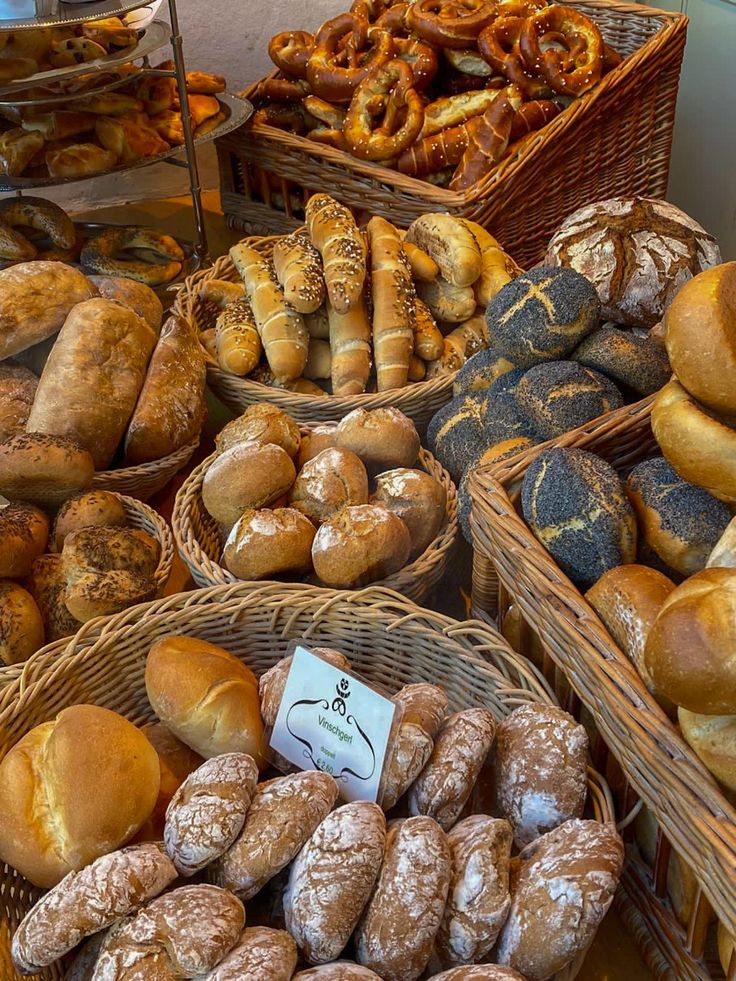
Bakeries are not all the same; they fall into distinct categories, www.krishna-bakery.com each excelling at different things. Artisan bread bakeries focus on rustic, long-fermentation loaves like levain, ciabatta, and pain de campagne, often with minimal sugar or fat. French patisseries specialize in delicate, butter-heavy pastries such as macarons, éclairs, and mille-feuille. Viennese-style bakeries bridge the gap with laminated dough items like croissants and danishes alongside simple rolls. Asian bakeries, often found in urban centers, offer unique creations like melon pan, red bean buns, and mochi donuts. Vegan or allergen-friendly bakeries replace eggs, dairy, and gluten with plant-based and alternative flours. Neighborhood corner bakeries may focus on accessibility, selling cookies, muffins, and sandwich breads at lower price points. By recognizing these categories, you can quickly target bakeries likely to align with your taste. A person craving an authentic baguette should visit an artisan bread bakery, not a vegan cupcake shop. Matching the bakery type to your craving is half the battle.
Evaluating Quality Through Sensory Cues
Once you have shortlisted potential bakeries, visit them to evaluate quality using your five senses. Look at the product display: fresh items should have even browning, shiny egg washes, and no signs of cracking or shrinking (which indicate over-proofing or stale goods). Touch a bread loaf gently if allowed; a good crust should spring back slightly, and the loaf should feel lighter than it looks, not dense and heavy. Smell is perhaps the most honest critic—fresh baked goods smell of butter, malt, or toasted grain, never sour or chemically. Listen for the crackle of a cooling baguette or the soft rustle of paper bags. Taste, of course, is final: take a sample if offered, or buy a small item. Pay attention to texture balance, salt level, and whether the flavor lingers pleasantly or fades quickly. Also observe cleanliness and staff knowledge; bakers who cannot describe their fermentation process or ingredient sourcing may lack expertise. Trust your sensory impressions over online photos or hype. A truly perfect bakery consistently passes these sensory tests.
Navigating Price, Location, and Service
Practical factors often determine whether a bakery becomes your regular spot, no matter how good the pastries. Compare price points across three similar bakeries in your area; sometimes a $5 croissant is justified by imported butter and organic flour, but other times it is just inflated rent. Location matters tremendously; a bakery that is a 10-minute walk from home will likely see you more often than a destination bakery across town, even if the latter is slightly better. Hours of operation are critical—does the bakery open early enough for breakfast commuters or stay late for after-dinner treats? Service style also matters: friendly, patient staff who explain ingredients and offer samples create a welcoming experience. Rude or indifferent service can ruin even the finest pastry. Additionally, consider ordering systems: some bakeries accept pre-orders for popular items, while others are first-come, first-served. For families or those with dietary restrictions, clear labeling of allergens is non-negotiable. Balancing these practical elements with taste will lead you to the perfect bakery for your daily life.
Test Runs and Building a Bakery Rotation
Instead of swearing loyalty to the first bakery you like, conduct test runs across several candidates. Visit Bakery A on Monday for a sourdough loaf, Bakery B on Wednesday for pastries, and Bakery C on Friday for cookies. Keep notes on each item, rating freshness, flavor, texture, and value. Repeat the test runs two weeks later to check consistency—a bakery that is great once but mediocre the next time is unreliable. Also test their response to special requests, like unsliced loaves or custom boxes. Over time, you might find that no single bakery excels in everything; that is fine. Build a personal bakery rotation: one for daily sandwich bread, another for weekend croissants, a third for birthday cakes. This approach ensures you always have the perfect bakery for every taste and occasion. Share your findings with neighbors or online community groups to help others. Eventually, the search becomes enjoyable rather than exhausting. With this guide in hand, you are ready to discover bakeries that not only meet but exceed your expectations, one delicious bite at a time.